
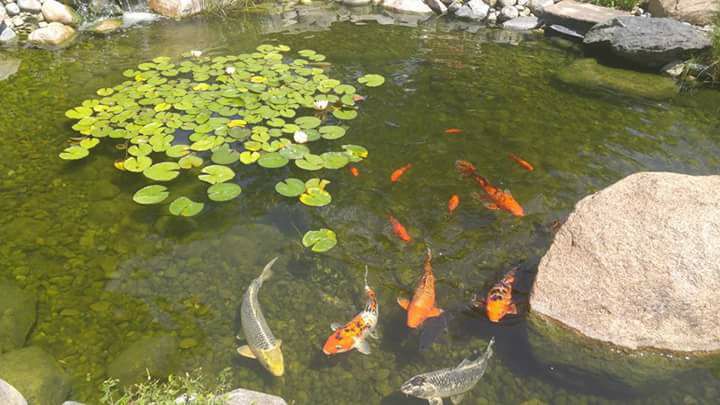
Owning a pond is one of the best ways to add peace, beauty, and wildlife to your backyard. But that only holds true if it’s properly maintained. The reality is, many pond owners — especially those new to water features — make simple mistakes that lead to bigger problems down the line.
The good news is that most of these issues are easy to avoid with the right information. In this post, we’ll walk through seven common pond maintenance mistakes and explain how to prevent them. These tips apply whether you have a small backyard pond, a koi pond, or a larger decorative water feature. And if you live in Michigan or anywhere in the Midwest, we’ve included some region-specific advice to help you navigate seasonal challenges.
Let’s get into it.
Mistake #1: Overfeeding Fish
Feeding your fish too much or too often might seem like a harmless habit, but it can cause real damage to your pond’s ecosystem. Uneaten food settles at the bottom, breaks down, and spikes nutrient levels. That extra organic matter often leads to cloudy water, algae blooms, and unpleasant smells.
What to Do Instead:
Stick to feeding your fish once a day. Offer only what they can eat in two to three minutes. When the water temperature drops below 50°F in the fall and winter, stop feeding altogether. Fish metabolism slows down in cooler temperatures, and excess food just adds waste to your pond. When feeding is appropriate, use high-quality, seasonal fish food.
Mistake #2: Skipping Regular Pond Cleaning
It’s a common belief that ponds are completely self-sustaining. And while a well-balanced ecosystem pond does handle a lot on its own, no pond is truly maintenance-free.
Leaves, debris, and sludge naturally build up over time. If they’re not removed, they’ll smother beneficial bacteria, clog filtration systems, and throw your water quality off balance.
How to Avoid It:
Schedule a professional pond maintenance service at least once in spring and again in fall. If you’ve got a smaller setup, consider using a small pond cleaning service that understands the care needs of more compact water features.
A thorough cleaning should include removing debris, rinsing filters, inspecting equipment, and refreshing water as needed. It’s not just about looks—it’s essential for the health of your fish and plants.
Mistake #3: Ignoring Water Quality Testing
Just because your pond water looks clear doesn’t mean it’s healthy. Many water issues are invisible to the eye, like ammonia spikes, low oxygen levels, or pH imbalance. Left unchecked, these can quickly harm or kill your fish and plants.
What to Do Instead:
Use a basic pond water test kit to check pH, ammonia, nitrite, and nitrate levels. Test weekly during warmer months when water chemistry can change rapidly.
Aim for a pH between 6.8 and 8.2. Ammonia and nitrites should be at zero. Don’t forget to use a dechlorinator if you’re doing a partial water change using city water.
Mistake #4: Overcleaning the Pond
Believe it or not, too much cleaning can do more harm than good. Scrubbing rocks spotless or rinsing filters with chlorinated tap water can destroy beneficial bacteria your pond needs to stay in balance.
How to Avoid It:
Don’t try to sterilize your pond. Leave a light layer of algae on rocks, and rinse filters with pond water instead of tap water. When you clean too aggressively, you strip away the natural biofilm that helps manage waste and keeps water healthy.
If you’re unsure how to strike that balance, hiring a pond cleaner service can help make sure your pond stays healthy without losing its ecosystem benefits.
Mistake #5: Choosing the Wrong Pump or Filtration System
If your pond is always cloudy, full of algae, or prone to debris buildup, your pump or filtration system may not be powerful enough. Undersized equipment is a common cause of water quality issues.
What to Do Instead:
Your pump should circulate the full volume of your pond at least once per hour. A proper filtration system should include mechanical and biological filters—and in many cases, a UV clarifier to help control green water.
Adding a skimmer to your system is another smart move. It pulls floating debris out of the water before it sinks and starts breaking down.
Mistake #6: Using the Wrong Plants (or Not Enough of Them)
Aquatic plants do more than just look good. They play a vital role in maintaining your pond’s health by absorbing excess nutrients, shading the water, and providing oxygen and shelter for fish.
But choosing the wrong plants or letting them overgrow can throw things off balance fast.
How to Avoid It:
Use a mix of floating, submerged, and marginal plants. In Michigan, hardy lilies, hornwort, water lettuce, and pickerel rush are great choices. Don’t overplant your pond—covering about 50% of the surface is usually enough.
At the end of the season, trim back plants and remove any that are dying to prevent nutrient overload in fall and winter.
Mistake #7: Not Preparing for the Seasons
In colder climates like Michigan, ponds need seasonal care. If you don’t prepare for winter or clean up in the fall, you could end up with dead fish, damaged equipment, or a big mess come spring.
What to Do Instead:
In fall, net your pond to keep leaves out, trim plants, and remove any debris. If your pump isn’t rated for winter use, shut it down and store it.
If you keep fish in your pond over winter, install a pond heater or an aerator to maintain a hole in the ice for gas exchange. Without this, fish can suffocate under a solid ice sheet.
Why Pond Maintenance Matters More in Michigan
Michigan ponds go through extreme seasonal changes—hot summers, rainy springs, and freezing winters. Each of these presents unique maintenance challenges.
In spring, nutrient overload often leads to algae blooms. In fall, leaf buildup can smother fish and reduce oxygen. In winter, ice can crack pipes or lead to fish loss if the pond isn’t aerated.
A local pond maintenance service understands the rhythms of the Michigan climate and knows how to keep your pond healthy all year long. Whether you’ve got a large koi pond or a small decorative fountain, having a trusted service provider makes it easier to enjoy your pond without constantly battling problems.
Final Thoughts
Maintaining a pond doesn’t have to be overwhelming. When you understand what to avoid—and take a little time each season to keep things in check—you’ll get to enjoy a healthier, more beautiful pond with fewer headaches.
If you’re short on time or not sure where to start, working with a small pond cleaning service or trusted pond cleaner can make all the difference. A well-maintained pond adds life to your yard. And with the right care, it’ll thrive for years to come.
FAQ
Pond maintenance FAQs
Most ponds should be cleaned at least once in spring and once in fall. Smaller ponds or those with heavy fish loads may need more frequent attention.
You can clean it yourself, but hiring a pond maintenance service ensures it’s done thoroughly and without damage to your ecosystem, especially for larger or more complex setups.
Yes. Michigan’s climate requires seasonal maintenance to prevent freeze damage, manage leaf buildup, and prepare for spring algae blooms.